


When the internet stops working, people don’t call to talk about technology. They call because something in their everyday life has suddenly broken — a work call, a game, safety, routine. On the other end of those calls sit real people, absorbing frustration, fear, and confusion long before any security dashboard lights up. This perspective — shaped not in boardrooms but in contact centers — changes how you see cybersecurity. In this conversation, we speak with Mindaugas, who has lived on both sides of the line: first answering those calls at Telia and later helping build security solutions meant to prevent them.
Security Works Best When People Don’t Have to Think About It
INTERVIEW WITH MINDAUGAS LANCEVICIUS, SR. NETWORK OPERATIONS MANAGER, 13 YEARS OF EXPERIENCE AT TELIA
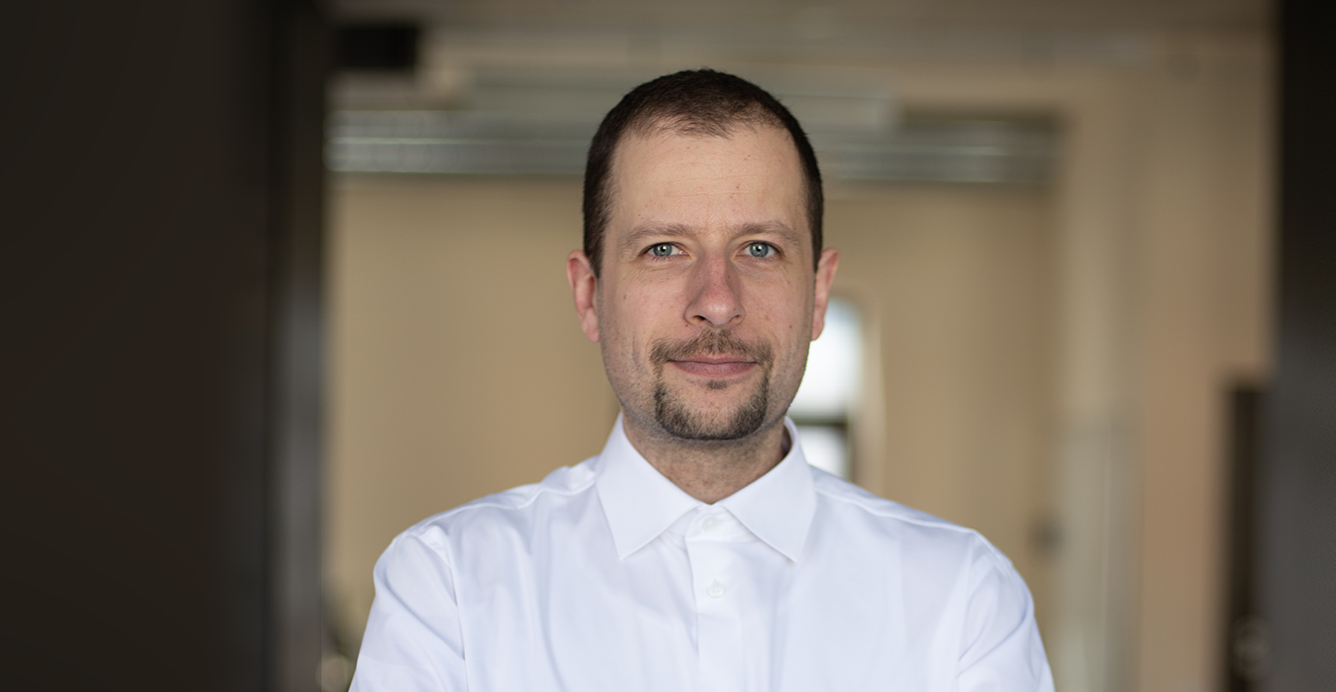
What do you remember most vividly from your time answering customer calls — a moment that still stays with you today?
It’s not a single, specific moment that stands out most — it’s a feeling.
I remember it clearly from my time answering customer calls, especially when speaking with people who had little understanding of the technology or services we were providing. When the internet stopped working, it wasn’t just a technical failure for them. It felt like something truly frightening had happened. And that makes sense — for most people, the scariest things are the ones they don’t understand.
Some customers were genuinely afraid to even turn on their computer if the internet was down. The situation felt overwhelming and out of control. So, when the service finally came back and everything started working again, their reaction was intense and emotional.
The relief, gratitude, and joy they expressed reminded me of the feeling you’d have after chasing an “evil spirit” out of your home. Everything was suddenly calm again. Safe again.
That emotional shift — from fear to relief — is something anyone who has worked in customer support, especially in a service provider environment, will instantly recognize. And it’s something that has stayed with me ever since.
After years on the service provider side, what made you pause — and ultimately say yes — when CUJO AI came into the picture?
At the time, I was working at Telia, leading a contact center that dealt with the messy reality of internet failures every day. Many of those calls weren’t just about outages — they were about security problems people didn’t yet know how to name.
When the CUJO AI founding team reached out, it caught my attention in an unexpected way. Yes, the name made me smile — I’ve always been a Stephen King fan — but what really stayed with me was the idea of addressing those same problems before they reached a call center.
I already knew how critical cybersecurity was becoming, even if customers haven’t yet talked about it that way. And at that time, AI still felt full of potential, but a bit mysterious. CUJO AI sat right at that intersection, and it felt like a chance to move from reacting to problems to preventing them.
What changed once you made that shift — from reacting to problems to trying to prevent them?
It made me realize that security works best when people don’t have to think about it.
Looking back, what do you wish your team at Telia had access to when calls came in?
Without a doubt: Safe Browsing, DDoS protection, and IP reputation. Telcos have come to see things quite differently since I was working there. Ten years ago, end-user security was just budding, and now it’s one of the main things that service providers care about.
How have you seen service provider priorities evolve as security has become more central to their work?
Over time, service providers have had to balance many priorities at once — performance, reliability, cost, and security. End-user security has moved from the background to the center of everyday conversations.
What’s changed is the expectation: users now assume that a certain level of protection is simply part of the service, even if they don’t always think about it explicitly.
When you think about customer experience, what tends to matter most from a service provider perspective?
After years of listening to customers explaining problems they couldn’t name, one thing became clear. From a customer’s point of view, reliability and ease of use are key. Security works best when it’s closely tied to usability.
Service providers make long-term infrastructure decisions that have to scale across millions of households. That means customer equipment and network upgrades are carefully planned over time, with a strong focus on stability and continuity of service.
Does scale influence how different service providers approach these decisions?
Smaller service providers and larger ones face different realities. Smaller organizations can sometimes move faster and be more flexible, while larger service providers have broader reach and more complex environments to manage.
In Europe, service providers tend to be smaller and more locally focused, while in the US there’s often more appetite for rapid adoption of new technologies. Even so, service providers globally are becoming more similar as customer expectations converge.
How did your perspective change when you started working more closely with service providers from the vendor side?
Working on the vendor side gave me an even deeper appreciation for the complexity service providers operate within. They are large organizations with many teams involved in every decision.
Vendors like CUJO AI tend to be smaller and more agile, which allows us to adapt quickly. That difference can be a strength when both sides work closely together.
What helps collaboration work well between service providers and their technology partners?
Clear communication and alignment are essential. Decisions often involve multiple stakeholders, so creating shared understanding is key.
Our role is to support partners by providing the right information and context, so decisions can be made with confidence and clarity.
What kinds of needs tend to come up most often in conversations with service provider partners?
Many operators are focused on delivering consistent experience across different networks — home, mobile, and beyond — while maintaining strong security throughout.
The goal is to offer protection that feels seamless and personalized, without adding complexity for users.
Looking ahead, where do you see the most momentum in network security?
There’s a clear movement toward making network management and security more intuitive for users. The aim is to give people confidence and visibility without requiring technical expertise.
Security should feel like a natural part of the network experience – present, but not intrusive.
A small detail about you that your colleagues might not expect.
I’m a huge fan of fantasy literature. Stephen King is my favorite writer.